


When should you contact an Interior Designer? It’s one of the most common questions homeowners ask when they’re planning a renovation. Many people wait until they’re ready to request contractor quotes or begin construction before contacting a designer.
One thing we often see is homeowners reaching out later than they intended. By that stage, preferred contractors may already be booked, product lead times can affect the schedule, and important design decisions suddenly feel rushed.
Starting the design process at least 3-6 months before construction gives you time to make thoughtful decisions instead of reactive ones. Larger or more detailed renovation projects may benefit from starting even earlier. It allows you to refine the layout, select materials, and prepare a complete plan before work begins.
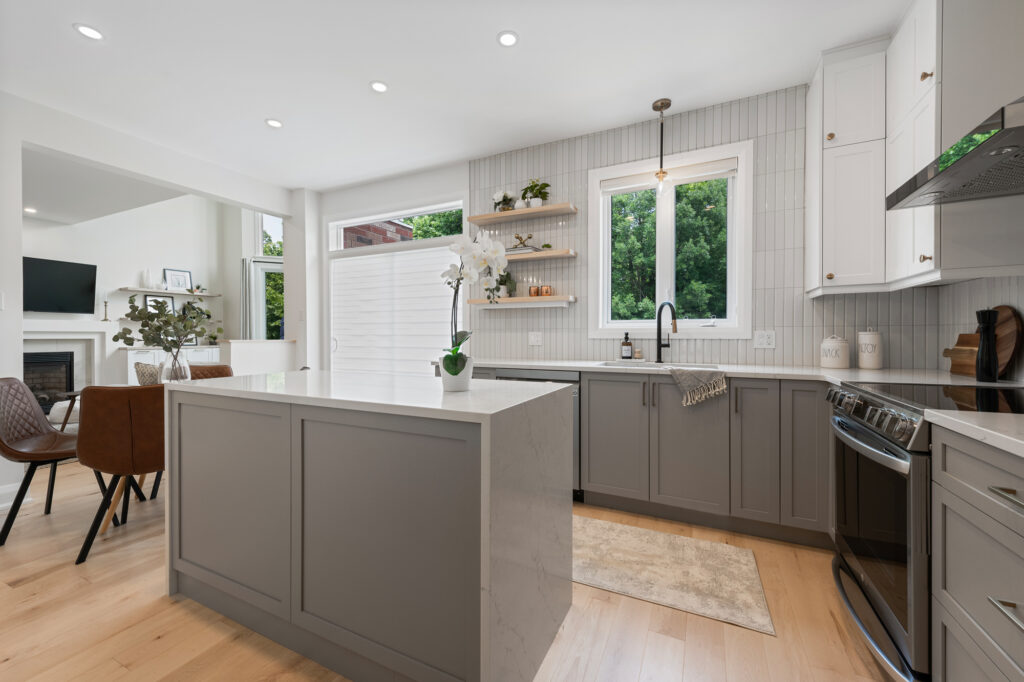
Have a Plan Before Requesting Quotes
One of the biggest advantages of hiring an interior designer early is giving contractors accurate information before they prepare their quotes.
A complete design package typically includes floor plans, elevations, cabinetry drawings, lighting plans, finish selections, and material specifications. Instead of making assumptions, contractors can price the same scope of work.
Many homeowners don’t realize how much estimates can vary when each contractor is interpreting the project differently. One contractor may allow for custom cabinetry while another assumes stock cabinets. Another may include additional lighting, while someone else prices only the existing locations.
A well-prepared design package helps homeowners compare estimates with confidence because everyone is pricing the same project. It also reduces misunderstandings during construction because every trade is working from the same information.
Want to learn more about whether you should start with a designer or contractor?

Allow Time To Design Your Space
Thoughtful design takes time, and that’s a good thing.
The design process involves much more than curating finishes. It starts with understanding how the space needs to function and exploring the best layout for your home.
Layouts are explored, floor plans are refined, and three-dimensional renderings help homeowners understand how the space will look and function. Cabinetry and storage, lighting, fixtures and finishes are considered as the design develops. Material selections are reviewed, feedback is incorporated, and details continue to evolve until the overall design comes together .
As designers, we encourage clients not to rush this stage. Moving a wall or adjusting cabinetry on a drawing takes very little time. Making those same changes after demolition has started can add labour, materials, and delays.
Taking the time to refine these details before construction makes changes easier and can help avoid costly decisions once work is underway.

Product Selections Take Longer Than You Think
Choosing finishes is often the most enjoyable part of a renovation, but it usually takes longer than homeowners expect.
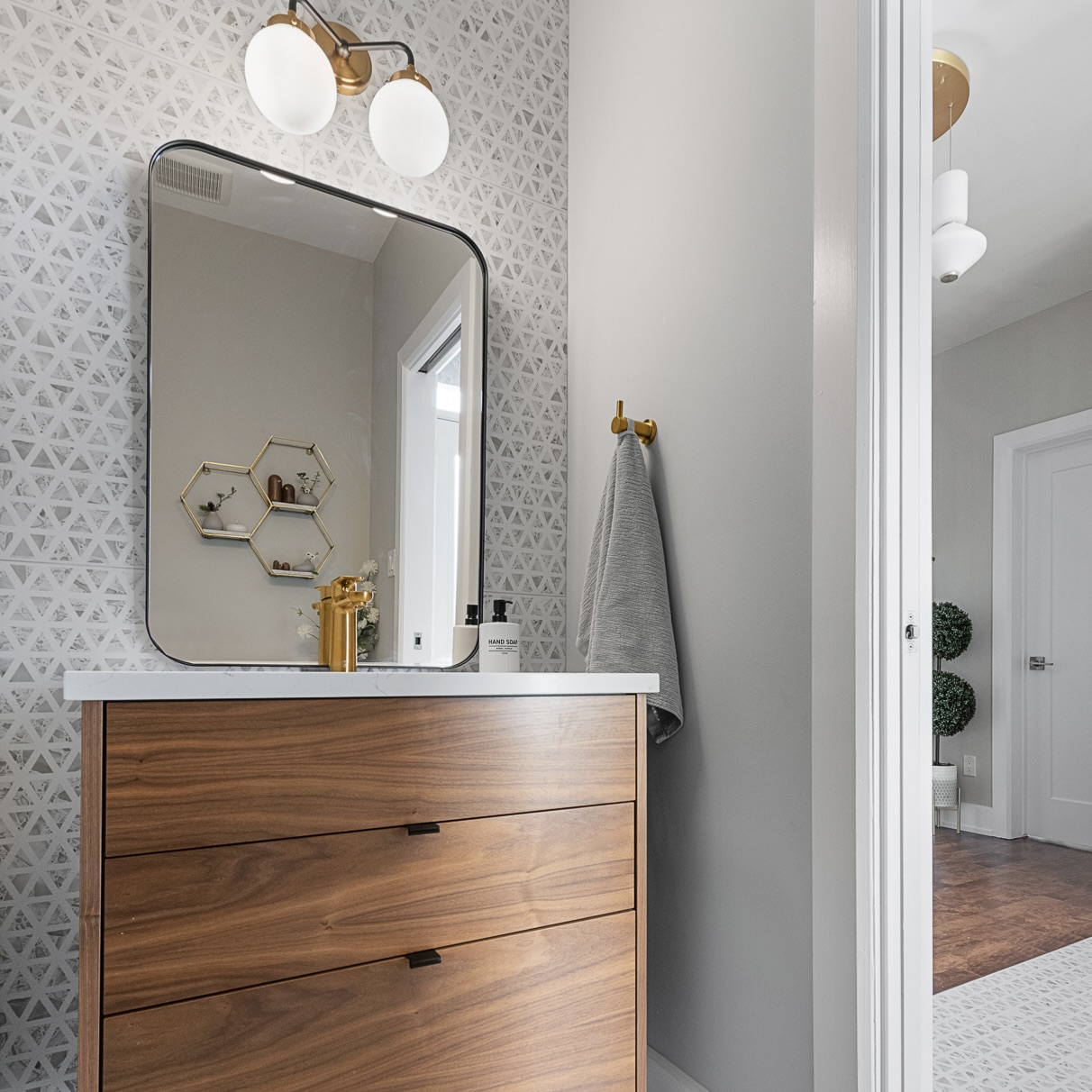
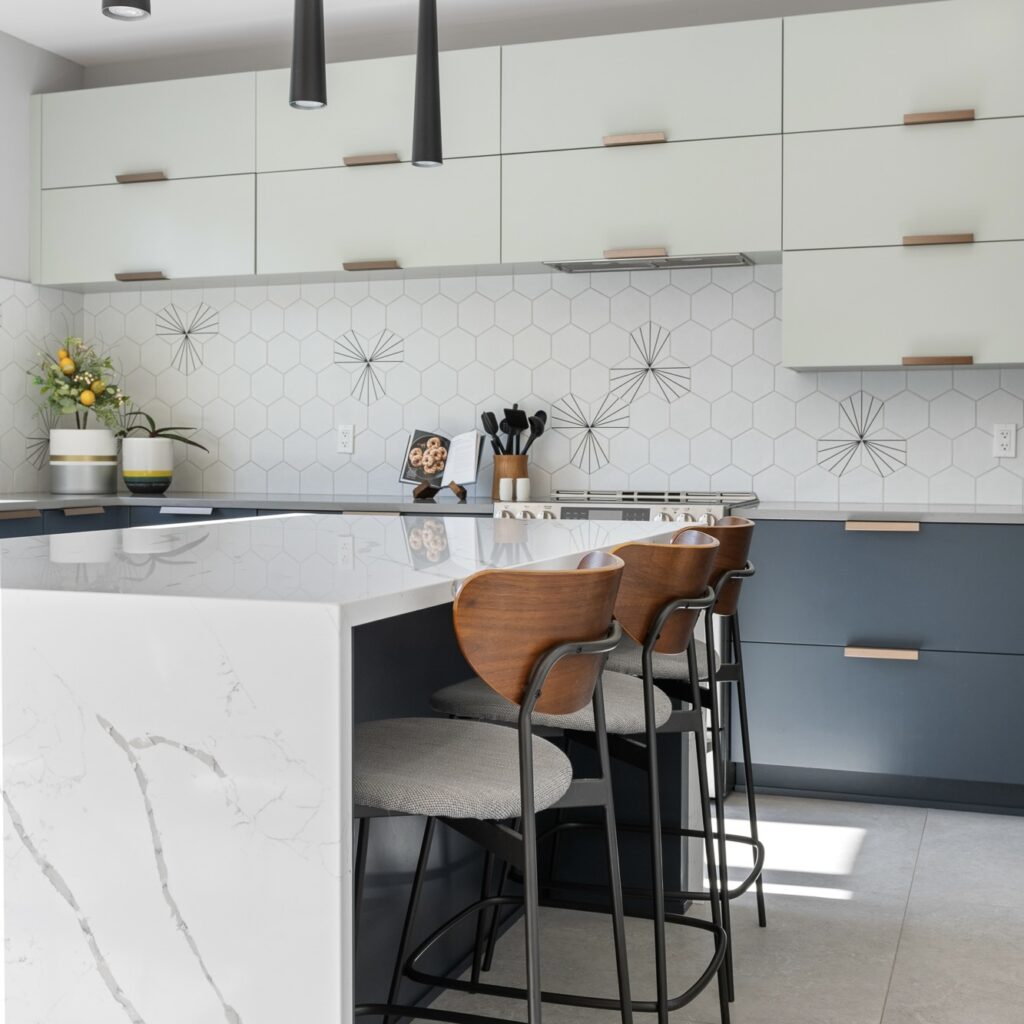
Cabinetry, countertops, tile, plumbing fixtures, lighting, flooring, and appliances all need to work together. Every decision affects the next, and finding the right combination takes time.
Many homeowners don’t realize that some products have lead times of several weeks or even months. Products can also go out of stock or be discontinued while a renovation is being planned. Waiting too long to make selections can delay construction or limit your options if products become unavailable.
Choosing products early gives suppliers enough time to order materials and helps keep the renovation moving according to schedule.
Good Contractors Book Well In Advance
Experienced contractors are often booked several months before they’re available to begin a project.
One thing we often see is homeowners finding a contractor they’d love to work with, only to discover their schedule is already full. Planning ahead gives you more flexibility when selecting both your contractor and your construction timeline.
Having a well-developed design package also makes those conversations more productive. Contractors can provide more detailed pricing because they understand more clearly what they’re building.
Early planning creates a smoother transition from design to construction and helps everyone prepare for the project. Depending on the project, design and contractor coordination may overlap. You don’t necessarily need to wait until every design detail is finalized before beginning those conversations.

Planning First Reduces Stress
A renovation involves hundreds of decisions, and trying to make them during construction can become overwhelming.
One of the biggest mistakes we see is homeowners finalizing layouts, finishes, or fixtures after trades have already started work. Those last-minute changes often result in additional costs, schedule delays, and unnecessary stress.
There will always be questions that come up during construction, but the major design decisions should already be made. Trades shouldn’t be waiting for decisions about layouts, fixtures, finishes or product specifications before they can continue their work.
Planning ahead creates a clearer budget, improves communication between everyone involved, and reduces costly change orders. It also gives homeowners more confidence because the major decisions have already been made before construction begins.
So, When Should You Contact an Interior Designer?
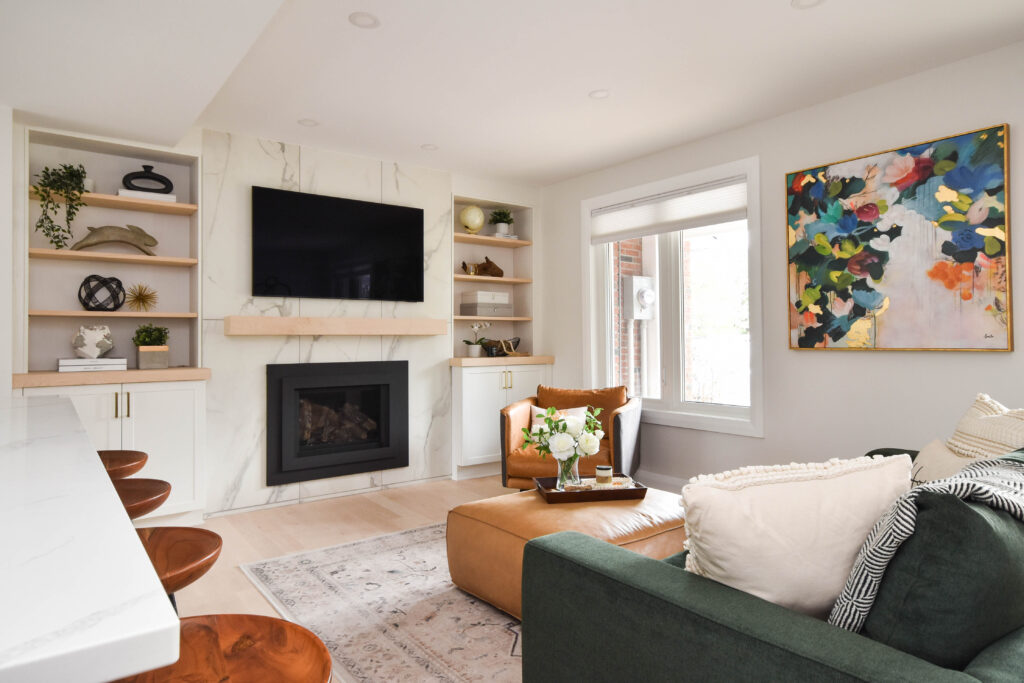
For most kitchen, bathroom and interior renovation projects, contacting an interior designer at least 3-6 months before your anticipated construction start date is a good place to begin. Larger renovations, custom cabinetry or projects involving significant layout changes may benefit from starting even earlier.
Starting the design process early gives you time to develop the layout, select materials, coordinate product orders, and prepare detailed drawings before contractors begin their work. It also creates a more organized renovation with clearer communication and fewer unexpected changes.
As designers, we’ve seen how early planning helps homeowners avoid costly surprises and make more confident renovation decisions. Taking the time to plan before construction begins is one of the simplest ways to create a smoother renovation from start to finish.
You also don’t need to have everything figured out before contacting a designer. You may simply know that your kitchen isn’t working for your family, your bathroom needs to be renovated, or you’re ready to update your home but aren’t sure where to begin. Helping you understand your options and develop that plan is part of the design process.
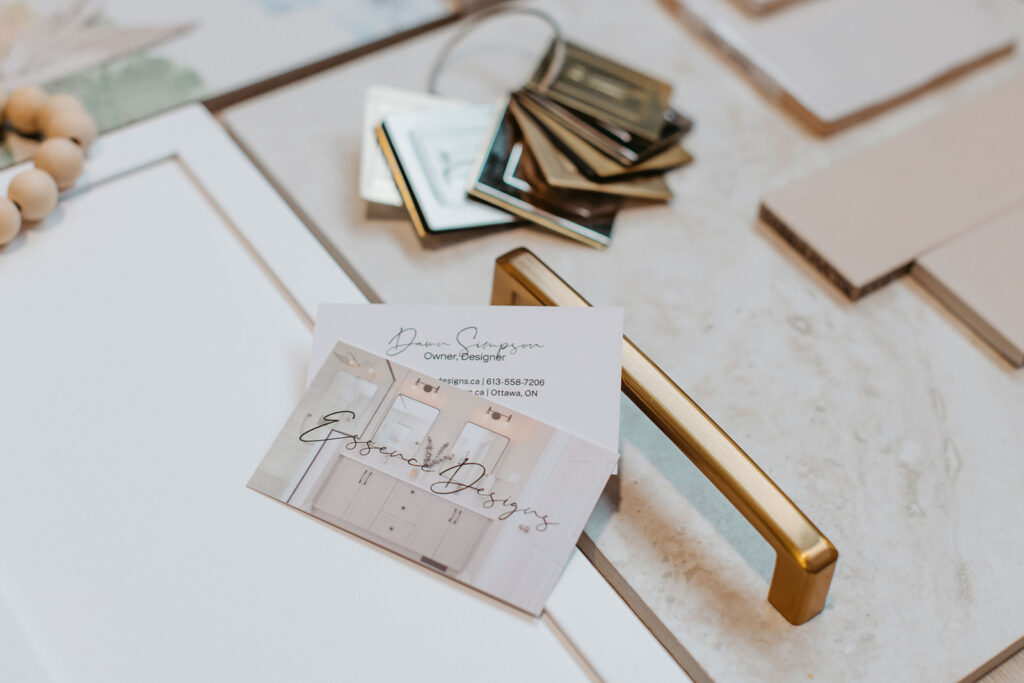
Ready To Start Planning?
Starting early doesn’t mean you need every decision finalized today. It simply gives you the time to explore ideas, ask questions, and develop a clear plan before construction begins.
If you’re considering a kitchen, bathroom, or whole-home renovation, we’d be happy to help you understand your options and prepare for the next steps.
If you’re planning a renovation, learn more about our interior design services and how we can help you develop a clear plan before construction begins.
Explore Our Interior Design Services
Not ready for a full design project? A one-time in-home design consultation can also be a good starting point to discuss your renovation goals, explore layout ideas and determine your next steps.
Book your consultation here!
Designer’s Finds We’re Loving
Staying organized during the planning stage makes renovation decisions much easier.
Here are a few organization finds we’re currently loving:


Enhance your home with high-quality lighting & decor pieces from Light House that add a touch of elegance to any space! Sign up now Sign up now to receive an exclusive 10% discount on all-inclusive decor at Light House.