


Should you hire an interior designer before a contractor? It’s one of the most common questions homeowners ask when planning a renovation. One of the biggest mistakes homeowners make is requesting contractor quotes before they’ve finalized their interior design.
In reality, one of the biggest mistakes homeowners make is requesting contractor quotes before the design has been finalized. While that approach can work for simple cosmetic updates, renovations involving layout changes, custom cabinetry, or detailed finish selections often benefit from starting with an interior designer.
A complete design plan gives everyone involved a clear direction before construction begins. It leads to more accurate pricing, better communication, and fewer surprises throughout the renovation.
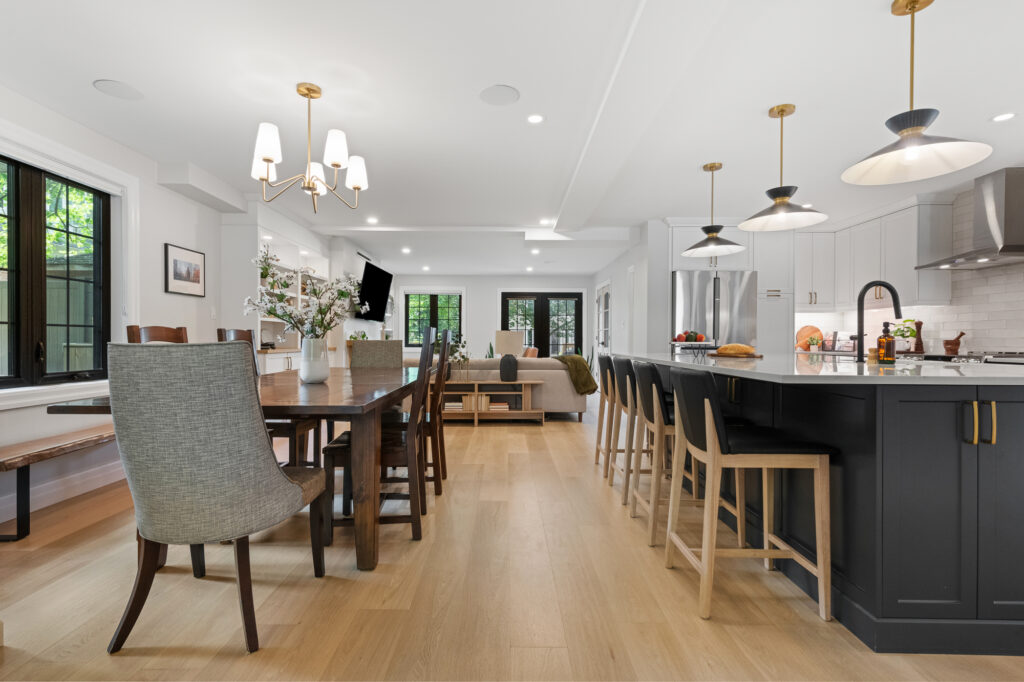
Why Start With an Interior Designer?
An interior designer helps define the project before contractors begin pricing the work. Every major decision is documented, allowing the renovation to move forward with greater clarity.
Without detailed drawings, each contractor is left to interpret the project differently. One contractor may assume custom cabinetry while another prices standard cabinets. One may include additional lighting, while another assumes existing fixtures will remain. These assumptions can create significant differences in pricing.
It’s common for homeowners to receive estimates that vary by thousands of dollars simply because contractors aren’t pricing the same scope of work.
A complete design package typically includes:
- Floor plans
- Interior elevations
- Cabinetry drawings
- Tile layouts
- Lighting plans
- Finish and product selections
When everyone is pricing the same information, homeowners can make informed comparisons. You’re comparing apples to apples instead of apples to oranges. Clear documentation also reduces misunderstandings during construction because everyone is working from the same plan.

Why Start With an Interior Designer?
Many homeowners begin by choosing finishes because they’re the most exciting part of a renovation. Cabinets, countertops, flooring, and paint colours are all important, but they don’t solve the biggest question: does the room actually work well?
A contractor builds what’s shown on the drawings. An interior designer looks beyond the finishes and asks whether the layout is the best solution before construction even begins.
As designers, we encourage clients to think about function before finishes. Improving circulation, widening walkways, increasing storage, relocating appliances, or adding a pantry often has a greater impact on everyday living than selecting a different countertop material.
We’ve worked with homeowners who planned to renovate their kitchen while keeping the existing footprint. During the design process, we discovered that borrowing a small amount of space from an adjacent room allowed us to create a walk-through pantry and dramatically improve the kitchen’s functionality. The room didn’t simply become larger. It became easier to cook, gather, and move through every day.
Planning the layout before construction begins helps ensure every square foot is used intentionally.

Why Make Design Decisions Early?
One of the biggest mistakes homeowners make is starting construction before the design is complete.
Moving a wall on paper takes only a drawing revision. Moving that same wall after demolition has started can require additional labour, materials, and time.
The design phase gives homeowners the opportunity to compare layouts, evaluate different ideas, and make informed decisions before construction begins. Many costly change orders can be avoided simply by taking the time to finalize the plan first.

Why Are Contractor Quotes More Accurate?
Contractors can only price the information they have.
Many homeowners don’t realize that unfinished design decisions often require contractors to include allowances or make assumptions. Those assumptions can affect both pricing and the final budget.
A completed design package allows contractors to provide estimates based on an established scope of work. It also helps homeowners understand where their investment is going and where adjustments can be made if needed.
Accurate pricing creates more realistic expectations before construction begins and reduces unexpected costs later in the project.
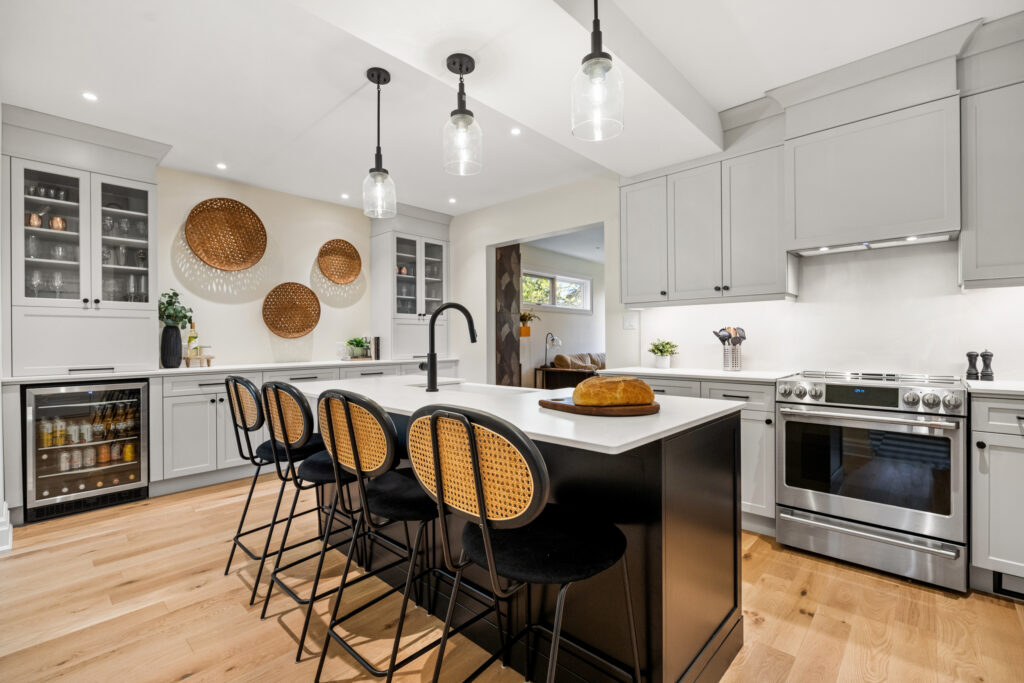
How Does An Interior Designer Help During Construction?
A renovation involves much more than coordinating a contractor.
Cabinet manufacturers, countertop fabricators, plumbers, electricians, painters, flooring installers, glass suppliers, and lighting vendors all need to work together. Each trade depends on decisions made by another.
Many homeowners are surprised by many suppliers are involved until products start arriving at different times. An interior designer helps coordinate product selections and deliveries, communicate with suppliers, and keep everyone working toward the same goal.
In our experience homeowners often tell us how valuable it is to have someone overseeing these details instead of trying to manage multiple suppliers on their own.

Why Do Contractor Relationships Matter?
Over the years, we’ve built relationships with contractors and trades who understand the level of detail our projects require.
We recommend contractors based on the type of renovation they’re best suited for. Every project is different, and having the right team makes a significant difference in the final result.
Whether it’s custom cabinetry, intricate tile layouts, detailed finish carpentry, or a complex bathroom renovation, working with experienced professionals helps ensure the design is executed as intended.
These established relationships often lead to clearer communication and faster problem-solving because everyone understands the design intent from the beginning.

What Happens After The Renovation?
The renovation doesn’t always end when construction is complete.
Occasionally, products arrive damaged, replacement parts are needed, or warranty questions arise months later. Having established relationships with manufacturers and suppliers makes resolving those issues much easier.
Rather than contacting multiple companies on your own, you have someone who already knows who to call and how to coordinate a solution. That ongoing support can save homeowners significant time and frustration.
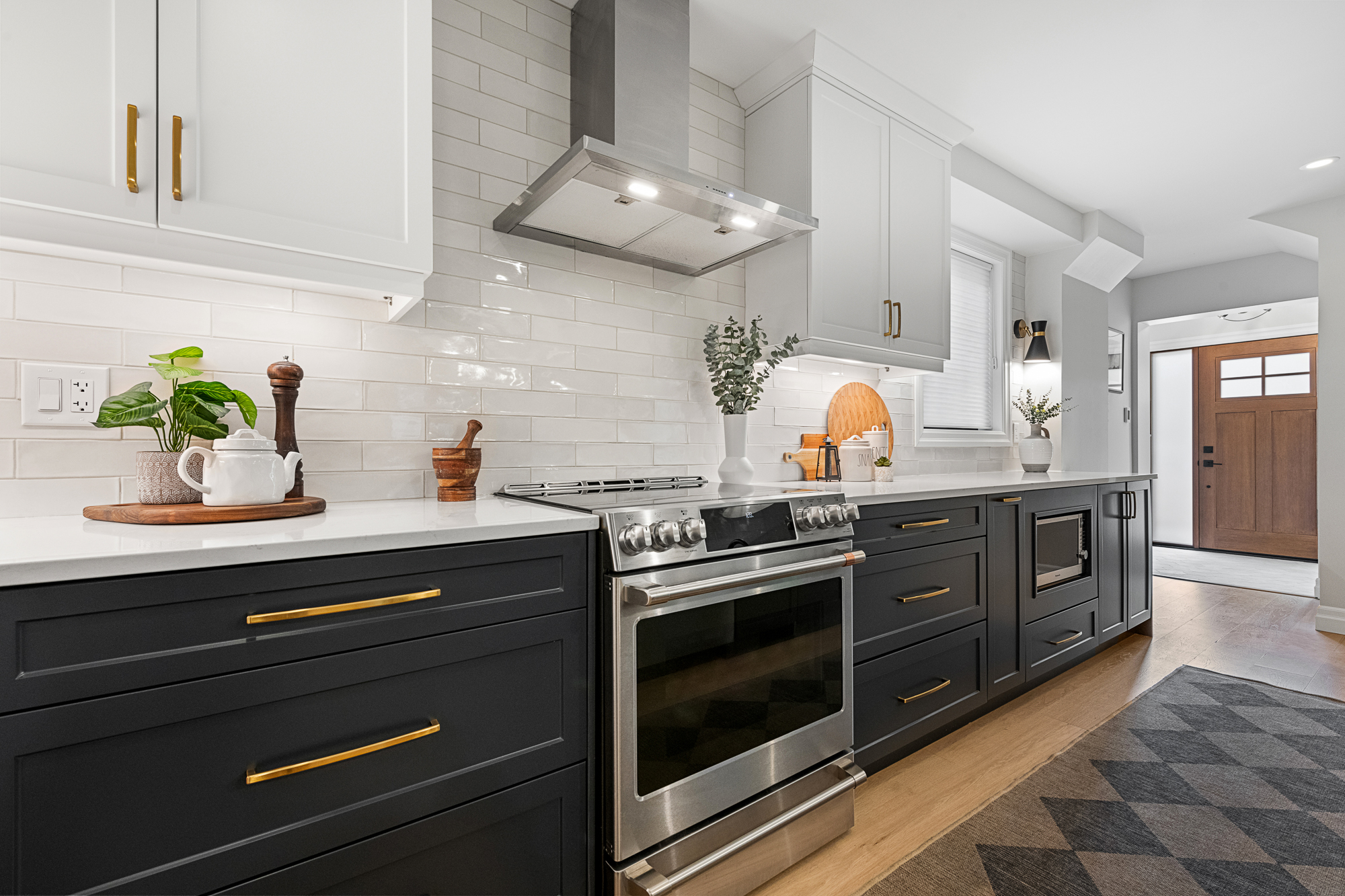
Should You Hire An Interior Designer Before A Contractor?
The answer depends on the type of renovation you’re planning.
If you’re replacing existing finishes without changing the layout, starting with a contractor may be the right approach. However, renovations involving custom cabinetry, layout changes, detailed finish selections, or multiple trades often benefit from beginning with an interior designer.
As designers, we’ve seen how thoughtful planning helps homeowners avoid unnecessary changes, make more confident decisions, and create spaces that function better for everyday life. Taking the time to complete your design before requesting contractor quotes gives everyone involved a clear roadmap for the renovation. It leads to better decisions, more accurate pricing, and a smoother construction process.

Ready To Get Started?
If you’re planning a kitchen, bathroom, or whole-home renovation, we’d love to help you make confident decisions from the very beginning.
Learn more about working with Essence Designs or contact us today to discuss your project.
You can also book a one-time in-home design consultation to discuss your renovation goals, explore layout options, and receive professional guidance before requesting contractor quotes.
Book your consultation here!
Designer’s Finds We’re Loving
A well-organized home makes everyday living easier, and small storage solutions can make a big difference.
As designers, we’re always looking for practical pieces that help reduce clutter while keeping everyday essentials within easy reach. Below are a few home organization finds we’re currently loving.

Enhance your home with high-quality lighting & decor pieces from Light House that add a touch of elegance to any space! Sign up now Sign up now to receive an exclusive 10% discount on all-inclusive decor at Light House.